Experiments
Captures from one device (Motorola moto g75), shared once through each platform and saved back. Successes and failures are both reported. Every file can be downloaded, or opened directly in the verifier with verify now.
Photo — through WhatsApp and Instagram
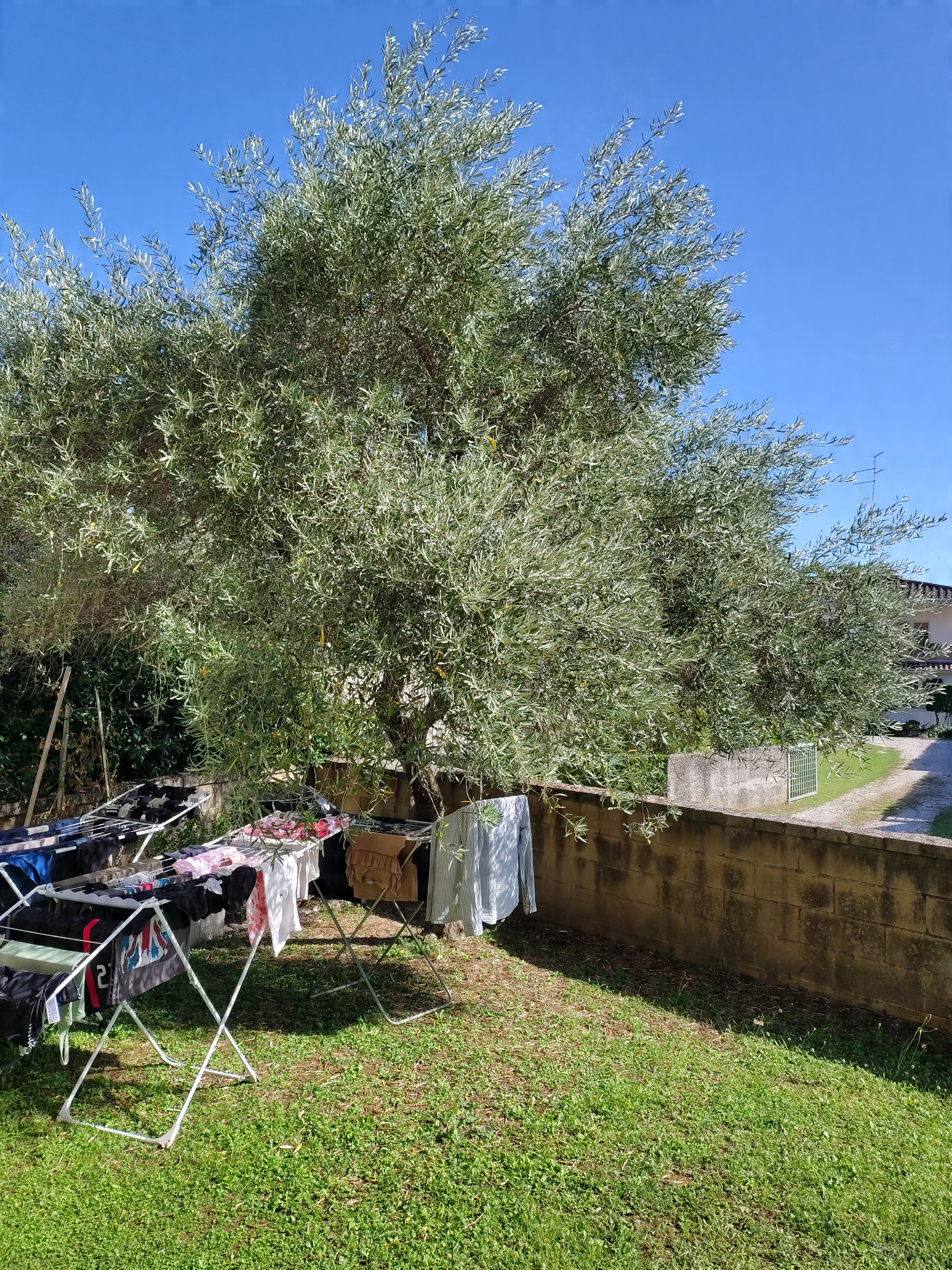
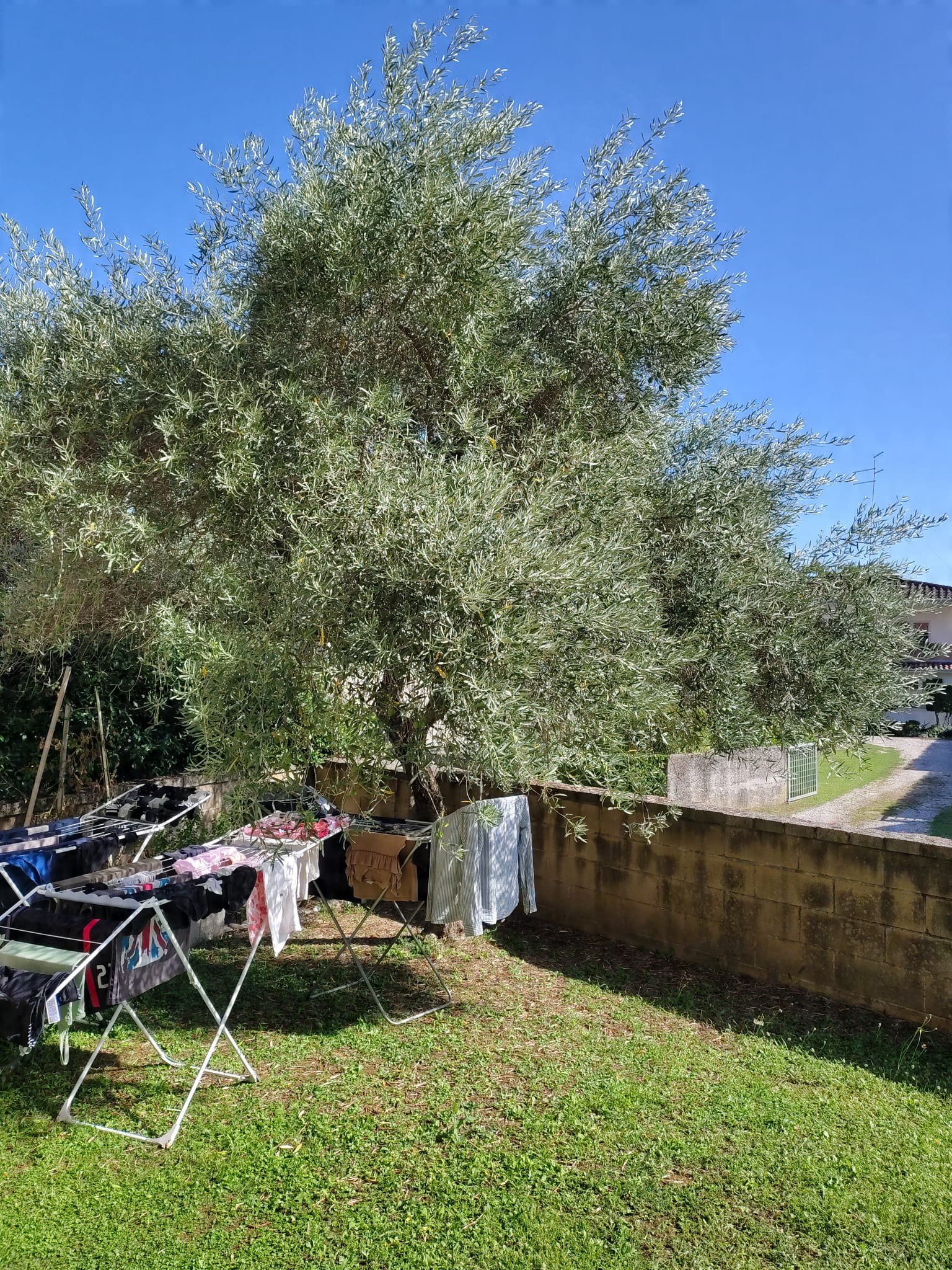
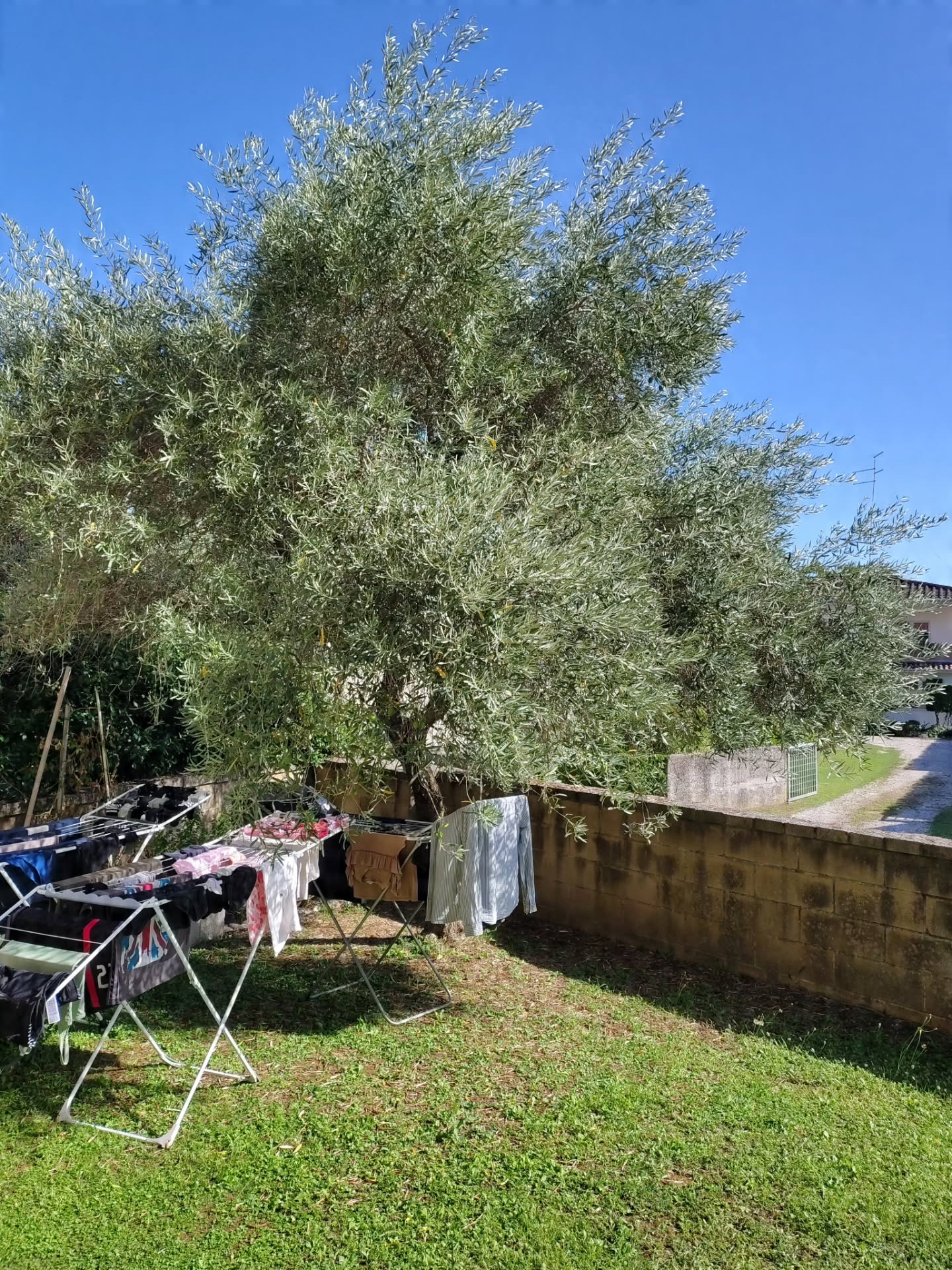
Captured with the app on a Motorola moto g75 (full 4:3, sealed with timestamp and Content Credentials), shared on WhatsApp and posted on Instagram, then saved back. Both re-encoded the image and stripped everything attached — the watermark in the pixels still resolved the original.



How much survived
Both copies discard most of the original pixels; the capture id was still decoded exactly.
- WhatsApp copy
- halved each side, file 8× smaller — id recovered exactly; error correction repaired 16 of the 18 bits it can fix (the verifier's full-resolution retry did the work)
- Instagram post
- downscaled 2.1× and recompressed — id recovered exactly, at the correction limit: all 18 repairable bits used
- Verdict
- both copies: Origin traced — verified original on file, shown side by side
Instagram hands photos back as HEIC (original HEIC — the copy above is a JPEG conversion, the mark decodes in both). Browsers without a HEIC decoder can't scan those pixels; the verifier now says so explicitly — convert to JPEG or use the CLI.
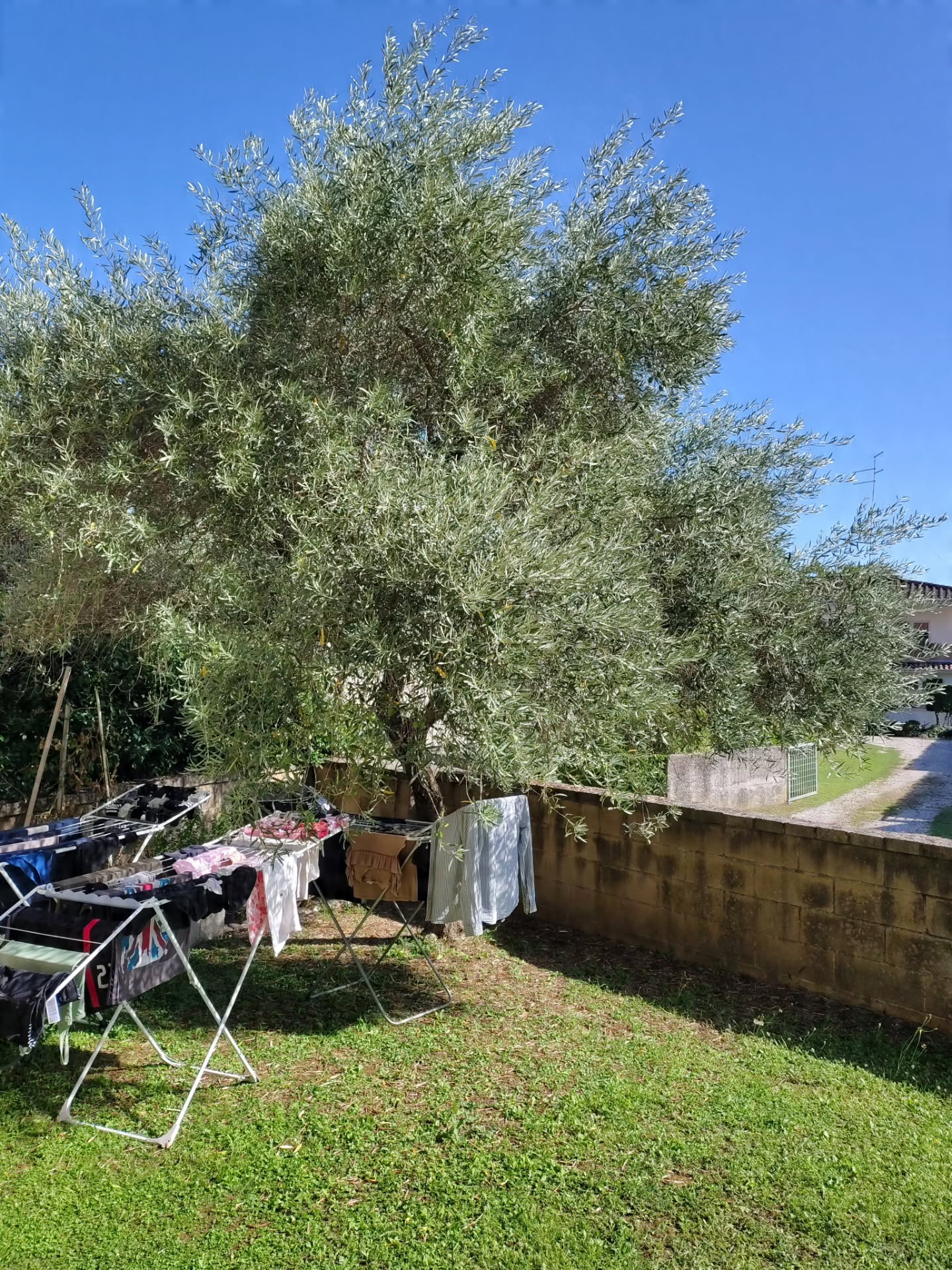
Photo — failure cases
Two channels where the watermark is not recovered. The verifier reports No proof found rather than guessing.
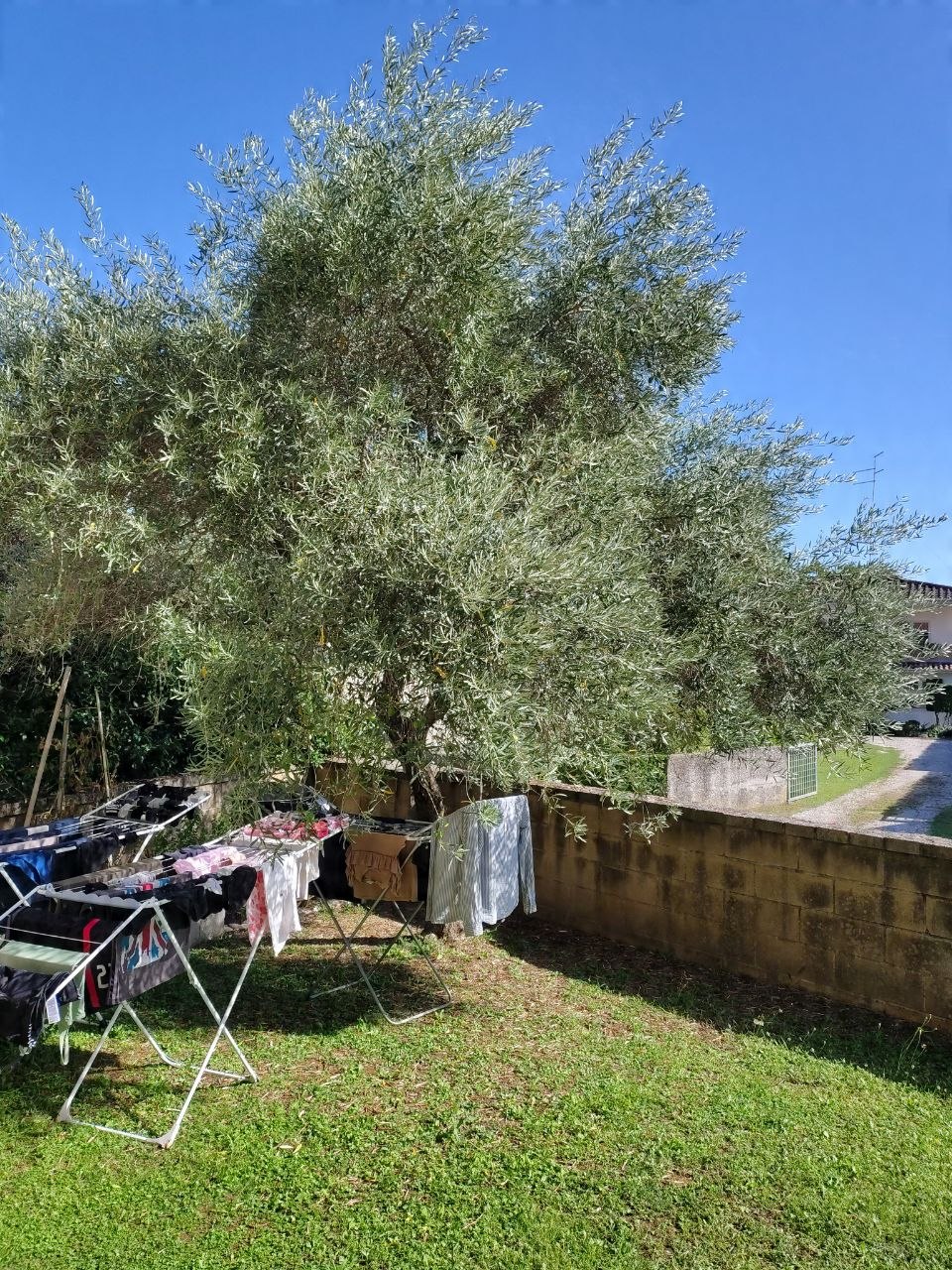

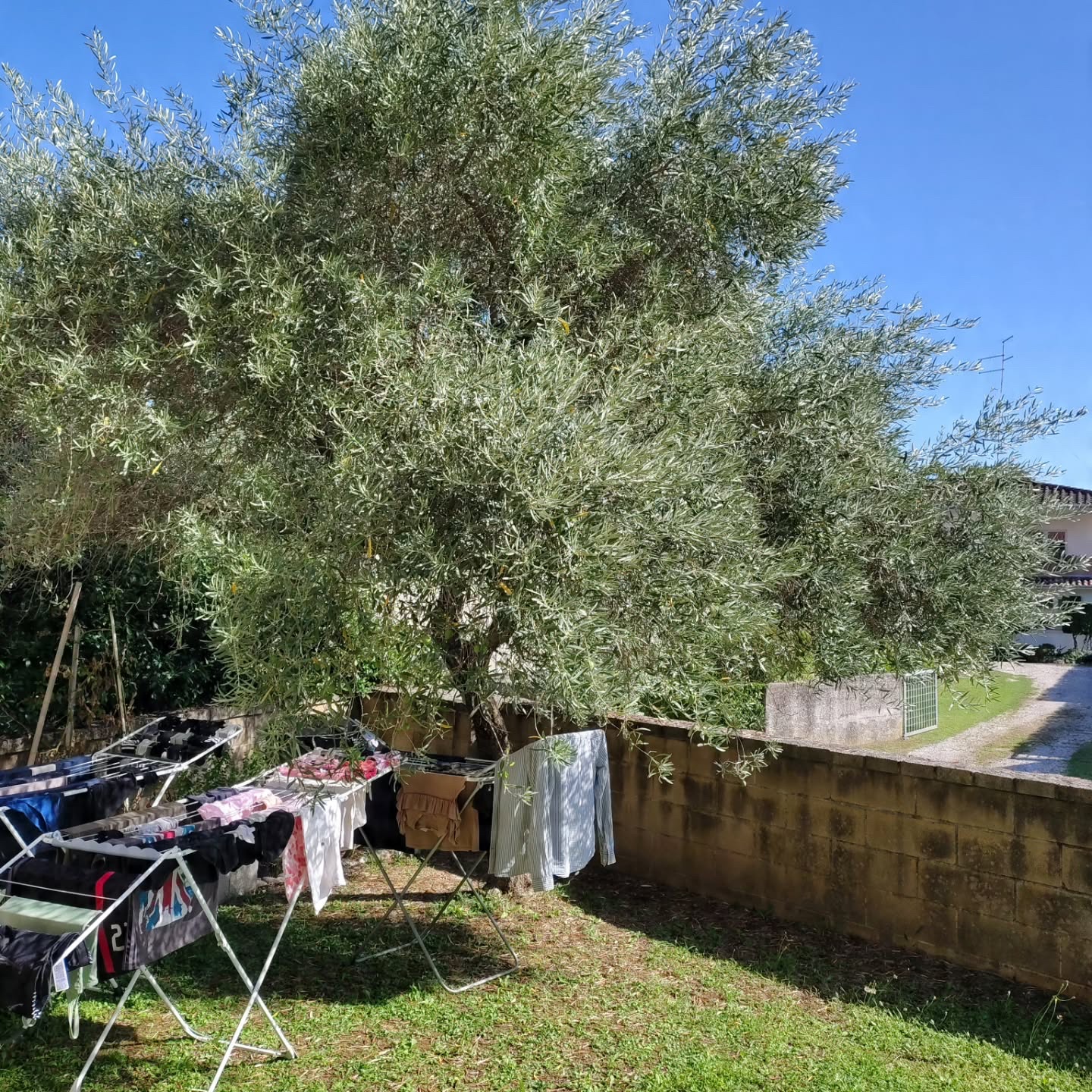

Why the mark is lost
- Telegram photo mode
- the harshest pipeline we measured: down to 960×1280 (a third of the original side) plus heavy recompression — the surviving signal drops below what the error correction can repair. Workaround: send it as a file — Telegram then delivers the exact bytes, and the copy verifies green with the full cryptographic seal, timestamp included.
- Instagram square
- the 1:1 crop throws away 25% of the frame — beyond the error-correction budget even after the verifier restores the original framing. Posts that keep the frame (or the standard 4:5 crop) verify fine.
- Why it is reported
- a verifier must be able to return a negative result; these files exercise that path.
Video — through WhatsApp, Telegram, Instagram and YouTube
Same capture, four platforms, four different compressions — YouTube even re-encoded it to a different codec (AV1). The mark was recovered from all of them; every copy resolves back to the verified original.
How much survived
Four platforms, four different encoders (one of them switches codec to AV1); the mark was recovered from all four.
- 75% of the pixels gone, file 8× smaller — mark signal 80%, capture id recovered
- Telegram
- re-encoded at 720p — mark signal 85% (video survives Telegram; only its photo pipeline is harsher, see above)
- re-encoded at 720p — mark signal 87%
- YouTube Short
- re-encoded to AV1 — mark signal 82% · live at youtube.com/shorts/gI_J4PL-WWQ
- Verdict
- all four: Origin traced — verified original on file, shown side by side
Every platform re-encode also destroys the per-segment bitstream signatures — by design: signatures prove integrity and die on any change, the watermark is the layer built to survive. Mark signal measures how reliably the mark was decoded — origin, never authenticity.
Video — the edited copy
The same video posted on Instagram with a caption and a sticker added. The mark survives the edit, so the verifier still finds the original and shows the two side by side, where the additions are visible. This illustrates the "origin, not authenticity" distinction: the mark indicates where a copy comes from; the comparison shows what changed.
The numbers
- Mark recovery
- signal 82% — the overlays cover part of the frame, the mark in the rest is enough
- Verifier output
- Origin traced, original shown side by side — not "authentic": a watermark match alone cannot authenticate content, as this copy shows
- Visual comparison
- the caption and the sticker are absent from the original
Video — the trimmed clip
The original cut losslessly (ffmpeg -ss 2 -t 4 -c copy —
a stream copy, no re-encode), which strips the whole-file seal. But every ~1s
segment was signed individually at capture: the surviving segments still verify
cryptographically, and the mark still finds the original.
What survives a cut
- Segments
- 4 of 5 GOPs carry valid hardware signatures — the boundary segment is cut mid-GOP and fails; the seal and manifest are gone with the trim
- Mark
- signal 97% — the id still resolves to the verified original
- Implication
- a clip shortened without re-encoding keeps segment-level integrity evidence for what remains
Re-verifying
Origin traced — verified original on file
what the verifier shows for any surviving copy above
Use verify now under any file, or download a copy, transform it further and load it in the verifier. Everything runs in your browser; nothing is uploaded. The exact originals verify green instantly; the first scan of a re-encoded copy downloads the ~67 MB detector model once (cached for every later visit).